
Goose Poop Removal in Cincinnati
By Matt Tackett, Owner
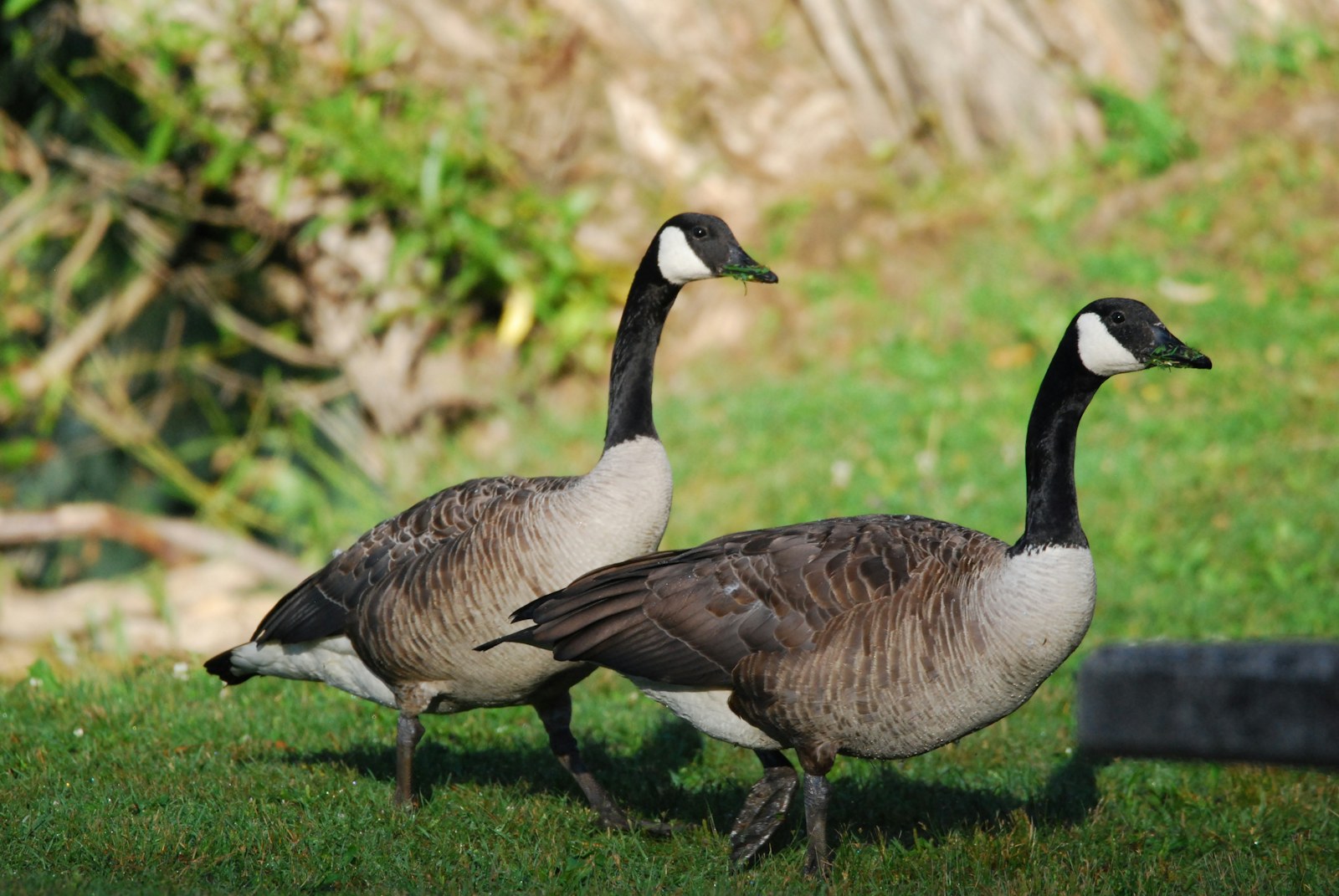
Every few weeks somebody calls us, describes a lawn covered in green droppings, and then apologizes because it is not dog poop. There is no need to apologize. Goose cleanup is a real part of what we do, and around Greater Cincinnati it comes up far more than people expect.
Retention ponds behind office parks. HOA common areas in Clermont County. The strip of grass between a condo building and the water. Yards backing up to Harsha Lake or sitting along the Little Miami. Anywhere there is mowed turf next to open water in this region, there is a decent chance a resident flock has already found it.
Do you actually handle goose poop, or just dog waste?
The reason we mention it at all is that most people assume a pet waste company only does pets. Fair assumption. But the skill set transfers almost perfectly, because the hard part of this work was never the scooping. It is having the equipment, the disposal setup, and the willingness to spend a morning doing a job nobody in the building wants to do.
So when a property manager in Blue Ash calls about the pond bank, or a homeowner in Milford has finally lost patience with the back half of the yard, that is a normal Tuesday for us.
Why is goose poop worse than dog poop?
That second part is the piece that surprises people. With a dog yard, the job is finding and lifting. With geese, there is often nothing to lift. You are dealing with a surface that has been coated, sometimes over an entire slope, and the answer is a wash and a sanitize rather than a bag and a scoop.
Run the math on a flock and it gets clear quickly. Twenty birds feeding along a pond edge for a few hours a day will put down more waste in a week than a large dog does in a month. It builds while everyone assumes somebody else has noticed it, and then one Saturday it is impossible to ignore.
Is goose poop dangerous to my dog or my kids?
We are not trying to alarm anybody. Plenty of people have lived next to geese for years without an incident, and we would rather be honest about that than sell fear.
But dogs are dogs. A retriever who finds a lawn full of goose droppings treats it like a buffet, and giardia is a genuinely miserable few weeks for a dog and an expensive one for the owner. If you have a dog who eats things outside, goose waste belongs on your list of reasons to keep the grass cleared. Our post on the hidden health risks in dog waste cleanup covers the same territory from the canine side, and most of it applies here.
The slip risk is the one property managers care about, and rightly. A fouled bank on a wet morning is a liability conversation waiting to happen.
Why do geese keep choosing my property?
This is the part that feels unfair. The nicer your grounds, the more attractive they are. Nobody designed a retention pond as waterfowl habitat, but that is functionally what a mowed bank around still water is.
Geese also strongly prefer to see what is coming. Wide open turf with nothing tall between the grass and the water is comfortable for them. Tall native plantings, shrubs, or anything that breaks up that clean line from water to lawn makes a spot less appealing. That is habitat work rather than cleanup work, and it is worth raising with whoever handles your landscaping.
The other factor is that many of our geese never leave. Ohio has a large resident population that stays year round rather than migrating through, so this is not strictly a seasonal visitor problem.
Can you get rid of the geese themselves?
Worth knowing the background here, because it explains a lot about why the flock on your pond has been there for nine years. Giant Canada geese were nearly wiped out in this part of the country and were deliberately restored through state wildlife programs. The restoration worked extremely well. The birds standing on your lawn are the success story, which is a slightly annoying thing to be told while you are looking at the lawn.
Practically, it means the honest split is this. The birds are a wildlife question for ODNR and a habitat question for your landscaper. The mess is ours. We are good at our half and we will not pretend to be licensed for the other half.
When is it worst around here?
That molt window is the single most useful thing on this page for a property manager. It is not that more geese show up, it is that the ones already there cannot leave, so several weeks of output lands in a much smaller area.
Which is why the calls cluster in July. The grounds looked fine in May, and by mid summer the walking path along the pond has become the thing three residents have emailed about.
What does a goose cleanup actually involve?
Hard surfaces are where the power washing and sanitizing side of what we do earns its keep. Goose droppings dry onto concrete and composite decking and do not simply sweep off, and a garden hose will not touch it once it has cured in the sun.
Grass is a different approach. You are clearing what is liftable, treating the area, and knocking down the odor and the bacterial load rather than trying to achieve a perfect surface. Anyone promising a putting green outcome on a fouled pond bank is overselling.
For commercial properties we usually land on a schedule. Our commercial and HOA pet waste work already runs on that model, and geese fit it well, because the mess is predictable even when the birds are not.
When is hiring us not the right call?
Here is the part that costs us a little money to say. If your property is a perfect goose setup and nothing about it changes, cleanup is a recurring bill and not a solution. We will keep it clean and it will keep coming back.
If that is your situation, spend some of the budget on the habitat side first. Break up the sightlines between the water and the lawn. Rethink how far the mowing goes toward the bank. Talk to ODNR about what is actually permitted for your property. Then bring us in to handle the mess that remains, which there will still be.
We would rather tell you that on the first call than take a cleanup fee every quarter while you wonder why nothing improves.
Getting a goose cleanup scheduled
Tell us the property type, roughly how much area is affected, and whether there are hard surfaces involved, because those three things drive the quote more than anything else. Photos help enormously. A pond bank in Clermont County and a small yard backing onto a creek are very different jobs.
We have been cleaning up Greater Cincinnati yards since 2020, no contracts required, and we will tell you honestly if we think a one time cleanup handles it or if the property really needs a schedule. Get a quote and we will get you on the calendar.
Hero photo by Tyler Moulton on Unsplash.
Frequently asked questions
Do you remove goose poop, or only dog poop? +
We handle both. Goose cleanup usually comes to us as a one time job on a property that has gotten away from somebody, often an HOA common area or the grass around a retention pond, and sometimes as a recurring visit on a property that sits right on the water. The equipment and the method are different from a dog yard, so tell us it is geese when you call and we will quote it as goose work rather than as a standard scoop.
How much poop does one Canada goose actually produce? +
Wildlife agencies generally put it around a pound to a pound and a half per bird per day. The number that matters is not one goose though, it is the flock. Twenty geese living on a pond bank behind a condo building will cover that grass faster than most people believe, and they feed for hours at a stretch, which is why the problem seems to appear overnight when it has really been building for a week.
Is goose poop dangerous to dogs and kids? +
It deserves respect. Goose droppings have been documented to carry E. coli, salmonella, campylobacter, giardia and cryptosporidium. A dog that eats it or a kid who takes a fall in it is the realistic exposure, not simply walking past. The other risk is the one nobody thinks about, which is how slick a heavily fouled slope gets right at the edge of a pond. Rinse and sanitize the hard surfaces, keep the turf cleared, and the everyday risk drops a long way.
Can you get rid of the geese for me? +
No, and be careful with anyone who says yes without mentioning permits. Canada geese are protected under the federal Migratory Bird Treaty Act, so touching the birds, the nests or the eggs is regulated and requires going through the Ohio Department of Natural Resources and US Fish and Wildlife. We stay entirely on the cleanup side. If you want the flock addressed, start with ODNR and with habitat changes on your property, and we will keep the mess handled in the meantime.
When is goose mess worst in the Cincinnati area? +
Early summer is the peak. Adult Canada geese drop their flight feathers and go flightless for about a month, typically June into July, so they cannot leave and they concentrate hard on whatever grass sits next to their water. Spring brings nesting pairs that get territorial, and fall brings the migrating birds stopping over on top of the resident flock that never left. If you only budget one cleanup a year, put it right after the molt.
Rather not deal with it yourself?
Let The Doo Doo Doctor keep your Greater Cincinnati yard clean and fresh. Weekly, bi-weekly or one-time.