
Is Dog Poop Killing Your Grass?
By Matt Tackett, Owner
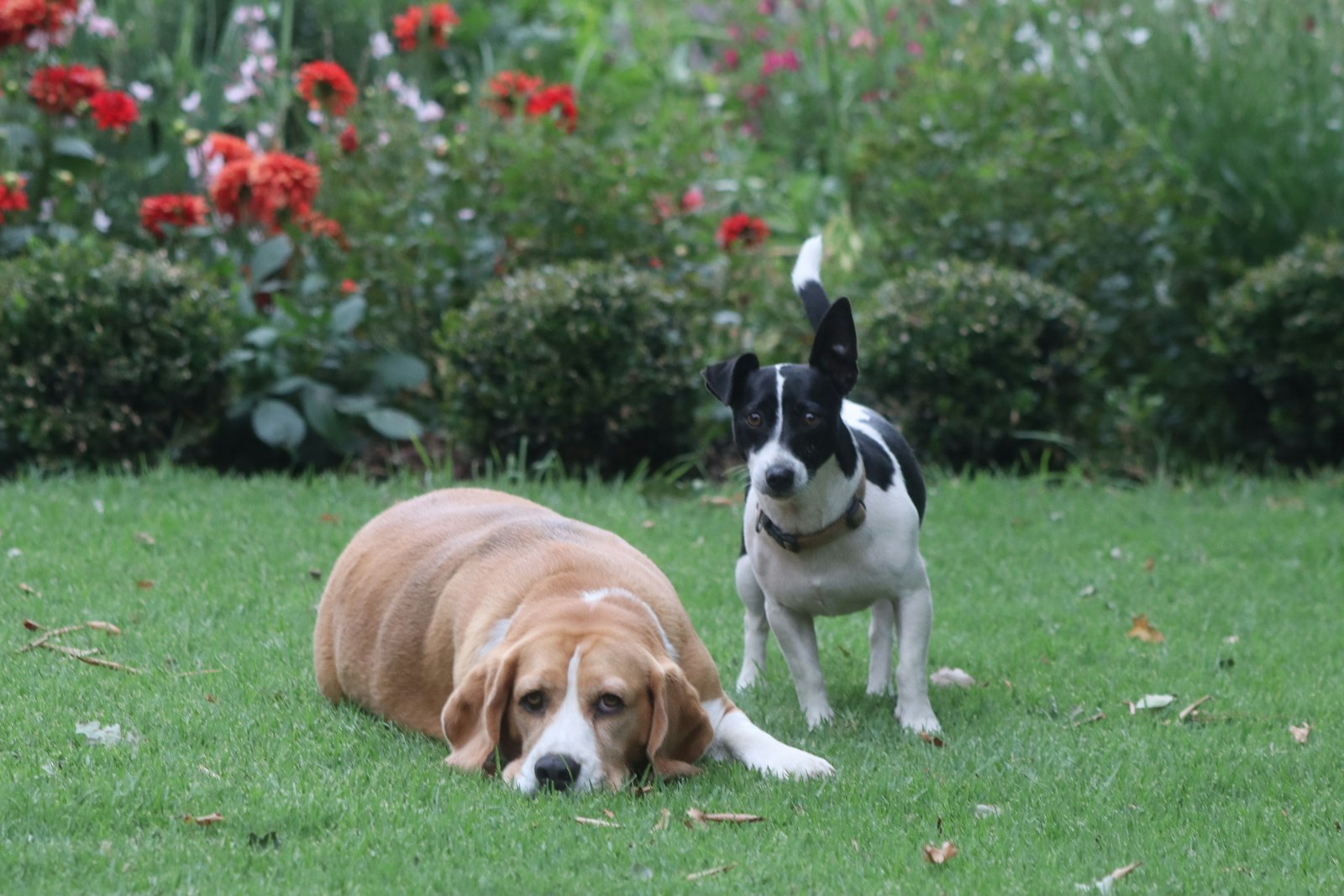
Every August we walk into Cincinnati backyards that look like somebody went after the lawn with a blowtorch. Brown patches, thin spots, weird rings that are somehow greener than the rest of the yard. The homeowner usually blames the heat, the mower, or a fungus. Then we point out that every dead spot sits within leash distance of the dog’s favorite corner.
So let’s answer the question the way we answer it at the fence line. Yes, dog waste kills grass. Not instantly, and not the way most people think, but reliably. The good news is that the damage is preventable, the repair is cheap, and late summer in southwest Ohio happens to be the best possible time to fix it.
How does dog poop actually damage grass?
Think of it as a paperweight followed by a chemical spill. The paperweight part is obvious once you picture it. Grass is a plant, the pile is sitting on the plant, and a week under that kind of cover leaves a pale, matted patch even before anything chemical happens.
The chemical part is the interesting one. Nitrogen is the main ingredient in every bag of lawn fertilizer at the Milford hardware store, and in the right dose it is exactly what turf wants. The problem is concentration. A pile of waste breaking down over a few square inches delivers a season’s worth of nitrogen to one tiny spot, along with salts that pull moisture out of the roots. The grass does not get fed. It gets burned.
That is also why you should not panic-fertilize a spotted lawn. Adding more nitrogen to a nitrogen burn is throwing gas on the fire.
Why is the ring around the dead spot so green?
This ring pattern is the single most useful diagnostic in a dog yard. A fungus patch, drought stress, or grub damage does not usually draw itself a bright green outline. Nitrogen burn does, almost every time.
Urine is the fastest way to get there, which is why the classic burn spot shows up where a female dog squats on the same patch of turf. But an ignored pile produces the same signature in slow motion as rain works the breakdown products into the soil. If you scoop rarely and your lawn is developing polka dots, you are watching that process happen.
One honest caveat from doing this every day: not every brown spot is the dog. Grubs, dull mower blades, and August drought all leave dead patches too. The green halo is the tell. No halo, and it is worth ruling out the other suspects before you blame the retriever.
Isn’t dog poop just natural fertilizer?
We hear this one weekly, usually from the neighbor of the person who called us. It feels logical. Manure helps fields, waste is waste, so the lawn should love it.
The difference is what went in the front end. A cow turns grass into a mild, plant based byproduct, and farmers still age and compost it before spreading. A dog turns kibble and chicken into something acidic and hot with nitrogen, which is why the lawn dies under it instead of thriving.
And the fertilizer myth has a second cost beyond the turf. Waste left to “break down naturally” is also a parasite reservoir while it sits there. Roundworm and hookworm eggs end up in the soil where kids and dogs play, and that is a much worse outcome than a brown spot. We covered that side fully in our post on the hidden health risks in dog waste, and if the breakdown timeline surprises you, so will how long dog poop actually takes to decompose. Spoiler: it outlasts the lawn.
Why does the damage look worst in a Cincinnati August?
Timing matters more than most homeowners realize. The same pile does different amounts of damage in April and August.
In spring, the lawn is growing aggressively and can sometimes outgrow minor burn. By this point in the summer, a Clermont County fescue lawn is hanging on through humidity, patchy rain, and soil that has been baking since June. Damage that lands now sticks, and it opens bare soil at exactly the moment crabgrass and other opportunists are looking for a vacancy.
The flip side is that the calendar is about to hand you the repair window. Mid August through September is prime seeding season in southwest Ohio. Warm soil germinates seed quickly, cooler nights take the stress off young grass, and fall rain usually shows up to help. Rake out the dead spots, loosen the soil, overseed, and the lawn heads into winter whole.
Just fix the cause first. Reseeding a yard that still collects waste all week is growing fresh grass to kill.
What actually protects the lawn?
Nothing on this list is exotic. It is a chore done on schedule, which is exactly why it works and exactly why it gets skipped.
If you are the one doing the scooping, weekly is the number to hold. Pick a day, sweep the whole yard, done. The lawn under a pile that sat two days recovers fine. The lawn under a pile that sat three weeks usually does not.
If you would rather never think about it again, that schedule is literally our product. Our weekly pet waste removal service puts a trained tech in your yard on a route, every week, rain or shine, with text notifications when we are done. For yards that have already crossed into polka dot territory, we start with a one time deep cleanup, and our deodorizing and sanitizing add-on treats the patios and high traffic zones where residue builds up. If you are comparing providers, our guide to choosing a pooper scooper service in Cincinnati tells you what to ask, including the questions that make other companies squirm.
A weekly service costs less than most people spend on coffee, and it is cheaper than reseeding the back forty every fall. Get a quote and we will have your lawn off the casualty list before the fall seeding window closes.
The short answer for the person skimming in the yard
Dog poop is not fertilizer, it is a slow acting grass killer with a fast acting cousin in urine. The green rings are the giveaway, August makes everything worse, and the whole problem disappears with one boring habit: get the waste off the lawn every week, yours or ours.
Your dog is not doing anything wrong. He is just conducting a small, unauthorized chemistry experiment on your fescue. We can end the experiment this week.
Hero photo by Eric Robinson on Unsplash.
Frequently asked questions
Does dog poop kill grass if you leave it? +
Yes, given time. First it blocks light and airflow to the blades directly under it, which weakens them within days. As it breaks down, it releases a concentrated load of nitrogen and salts into a few square inches of soil, far more than the roots there can use. The grass under and immediately around an ignored pile is usually thinner, yellowed, or dead within a few weeks, especially during a hot, dry stretch.
Why does my lawn have brown spots with dark green rings around them? +
That pattern is nitrogen burn, and in a dog household the dog is almost always the source. The center of the spot got a killing dose of nitrogen and salts. The soil at the edges got a diluted dose, which acts like fertilizer, so the grass there grows faster and greener than the rest of the lawn. Urine causes it most often, but concentrated waste breakdown does the same thing more slowly.
Is dog poop good fertilizer for a lawn? +
No. This one refuses to die, so here is the plain version. Useful manure comes from grazing animals that eat plants, and it still gets composted before anyone spreads it. Dogs eat meat heavy diets, so their waste is acidic, high in nitrogen, and can carry parasites like roundworm and hookworm that survive in soil. Leaving it to break down feeds nothing. It burns turf and contaminates the yard.
How do I fix the dead spots my dog caused? +
Rake out the dead material, rough up the top half inch of soil, and reseed. Around Greater Cincinnati the prime window is mid August through September, when soil is warm, nights cool off, and cool season seed establishes fast. Water new seed lightly and daily. And fix the cause first, because reseeding a lawn that still has waste sitting on it just grows fresh grass to kill.
How often should waste be picked up to protect the lawn? +
Weekly is the practical answer for most yards. Damage to the grass under a pile starts within about a week, so a once a week sweep keeps the lawn ahead of it. Multi dog households do better on twice a week. If the yard has already gotten away from you, a one time cleanup followed by a weekly route is exactly the reset service we built for.
Rather not deal with it yourself?
Let The Doo Doo Doctor keep your Greater Cincinnati yard clean and fresh. Weekly, bi-weekly or one-time.