
HOA Pet Waste Removal Near Cincinnati
By Matt Tackett, Owner
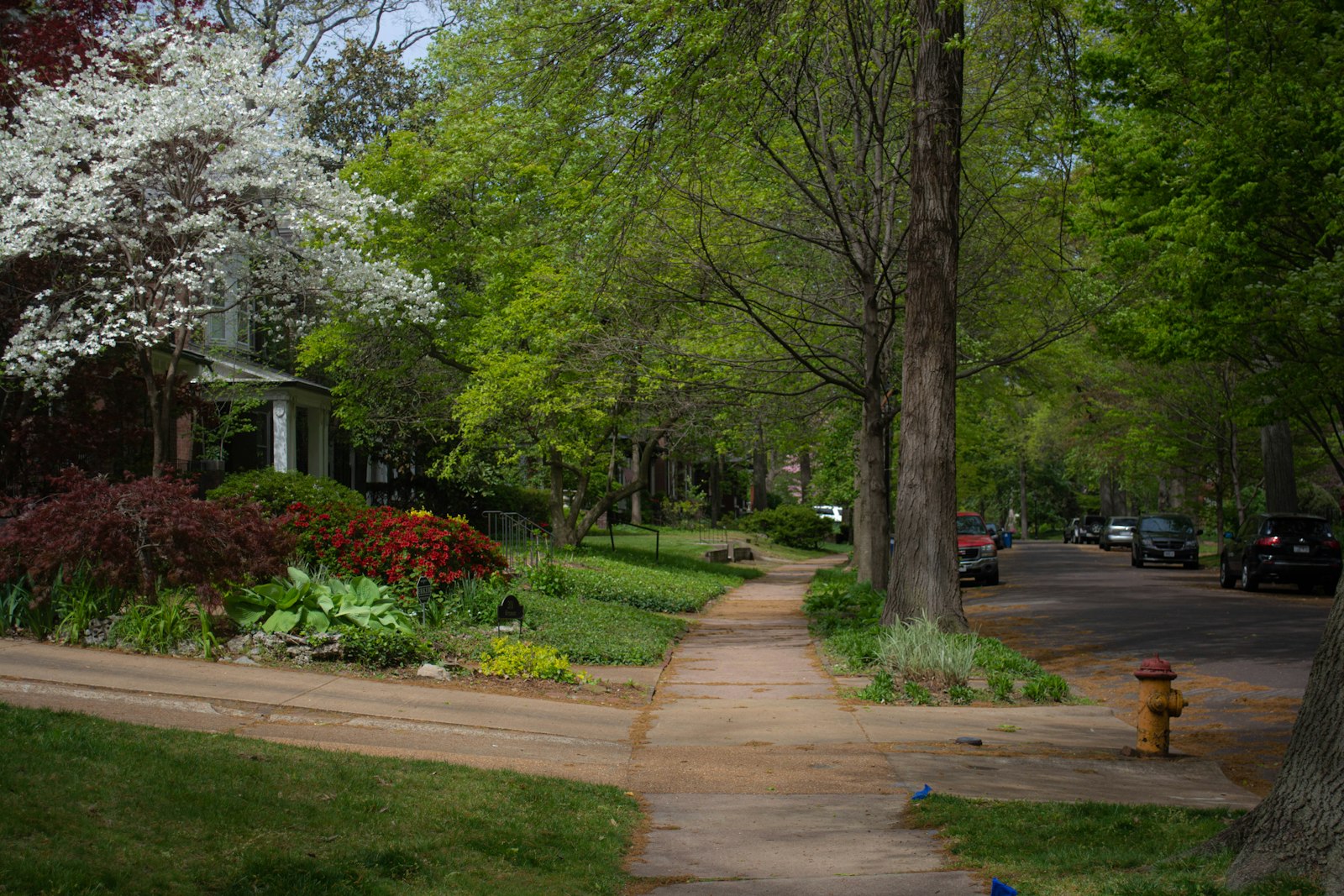
Ask anyone who has sat on an HOA board around Cincinnati what fills the complaint inbox, and pet waste lands near the top every time. Not special assessments, not fence colors. Dog poop on the walking trail, in the mulch by the mailbox cluster, and in that one stretch of common area where everybody walks their dog and apparently nobody carries a bag.
We scoop for communities across Greater Cincinnati and Clermont County, and we have watched the same story play out from Batavia to Milford: the board posts a reminder, things improve for two weeks, then the complaints start again. Here is why that cycle happens and what actually breaks it.
Who is responsible for pet waste in an HOA community?
On paper, this one is easy. Your covenants almost certainly require owners to pick up after their pets, the same way they require mowed lawns and trash cans out of sight. In practice, the rule only covers waste you can attach to a dog and an owner.
Everything else, and there is always plenty of everything else, sits in a gray zone. The pile on the trail. The corner of the retention pond lot where three streets of dogs do their business. The strip behind the playground. No resident owns those messes, so they stay put until the landscaper hits one with a mower or a kid finds one the hard way. At that point it is the board’s problem, whether the covenants say so or not, because the board owns the common area.
The associations that stay clean have accepted that shared spaces need the same treatment as any other amenity. Nobody expects residents to volunteer to mow the entrance median. Waste in common areas works the same way.
Why do pet waste complaints keep coming back?
Boards usually reach for the tools they have: a newsletter reminder, a sternly worded email, maybe a fine schedule. Those are worth having. They are also, on their own, famously ineffective, and it is worth being honest about why.
A fine requires proof. Unless a neighbor photographs the offense and is willing to put their name on the report, the board is fining a ghost. Some large communities around the country have gone as far as DNA registries for resident dogs. That works, but it is expensive, awkward to roll out, and a hard sell at a board meeting in a 120 home subdivision in Union Township.
Meanwhile the actual friction point is much simpler. People forget bags. They tell themselves the tree line does not count. It is dark, it is cold, the dog surprised them. Every one of those small failures accumulates in the same few spots, and each pile that sits there makes the next one feel more acceptable. Clean places tend to stay clean. Messy places give everyone permission.
So the fix is not a better letter. It is removing the excuse and the evidence at the same time.
Do pet waste stations actually work?
Waste stations are the single best physical tool an association can deploy, with one giant caveat: a station is a commitment, not a purchase.
Placement matters first. Stations belong where dogs already go: trail entrances, the path to the pond, the green space between buildings. A station by the clubhouse nobody walks past is decoration.
Maintenance matters more. Bags run out, and the resident who reaches for one and finds an empty dispenser has just been handed a reason. Bins fill, and an overflowing station is arguably worse than none at all, because it broadcasts that nobody is checking. We install and service pet waste stations across Greater Cincinnati for exactly this reason. The hardware is the easy part. The stocked bags and the emptied bin every single week are what make it work.
What does a commercial pet waste service actually handle?
For most communities we serve, commercial pet waste removal comes down to three pieces on one schedule.
First, the route itself. Our team walks the common areas, trails, tree lines, and the known trouble spots, and hauls away everything we find, including the goose droppings that take over any community with a retention pond each spring and fall. Second, station service: every dispenser stocked, every bin emptied and bagged, every visit. Third, the paper trail. The property manager gets a record that the work happened, which is a quietly useful thing when a resident stands up at the annual meeting.
If your community leans more toward rental buildings than single family homes, the same logic applies. We covered that side in our post on commercial pet waste removal for Cincinnati properties, and the station question in more depth in our guide to dog waste stations.
The Clermont County wrinkle: it all drains somewhere
One more thing that gets missed at board meetings. Out here, most newer subdivisions in Batavia, Amelia, and the Eastgate corridor were built around retention ponds, and those ponds are plumbed into the same stormwater network that feeds our creeks and, eventually, the East Fork Little Miami River. Communities up toward Milford sit right on the watershed.
Pet waste left on common ground does not just sit there. Rain moves the bacteria into that system, which is why the EPA treats pet waste as a stormwater pollutant rather than a fertilizer. A community with fifty dogs and no cleanup plan is making a measurable contribution to the water everybody’s kids wade in at the lake. That is a stronger argument for a service line item than any complaint email will ever be.
Rather hand the whole problem to somebody?
Boards have enough on their plates without refereeing dog owners. If your community is stuck in the complaint cycle, request a free quote and we will walk the property, recommend station placements, and put your common areas on a schedule. Weekly and twice weekly routes, no contracts, and a report after every visit.
Your residents get clean trails, your manager gets a quieter inbox, and nobody has to fine a ghost.
Hero photo by Kay Ingulli on Unsplash.
Frequently asked questions
Who is responsible for cleaning up dog poop in an HOA? +
Individual owners are responsible for their own dogs, and nearly every set of covenants says so. The gap is the waste nobody claims: common areas, walking trails, and the piles left when nobody was watching. That waste defaults to the association, which is why many boards contract a recurring pet waste removal service for shared spaces.
Can an HOA fine residents for not picking up dog poop? +
Usually yes, if the covenants or published rules authorize fines and the board follows its enforcement process. The practical problem is proof. Unless someone documents which dog and which owner, a fine rarely sticks. That is why associations that actually stay clean pair the rule with waste stations and scheduled cleanup instead of leaning on fines alone.
Do pet waste stations really reduce dog poop in a community? +
Yes, when they are placed where people actually walk and serviced before they overflow. Free bags remove the most common excuse, and a visible, well kept station signals the community takes the rule seriously. An ignored station does the opposite. Stocking and emptying on a set schedule is what makes stations work.
How much does HOA pet waste removal cost? +
It depends on the acreage, the number of stations, and how often the route runs, so there is no honest one size fits all number. Most communities land on weekly or twice weekly service for common areas plus station maintenance. The fastest way to get a real figure is a free quote based on a walk of your specific property.
What areas does The Doo Doo Doctor serve for HOA and commercial work? +
We serve Greater Cincinnati, Northern Kentucky, and Southeast Indiana, including Clermont County communities in Batavia, Milford, Amelia, Union Township, and the Eastgate corridor. Commercial routes cover HOAs, apartment communities, parks, and office campuses, with waste station installation and maintenance included where needed.
Rather not deal with it yourself?
Let The Doo Doo Doctor keep your Greater Cincinnati yard clean and fresh. Weekly, bi-weekly or one-time.