
How Often Should You Pick Up Dog Poop in Your Yard?
By Matt Tackett, Owner
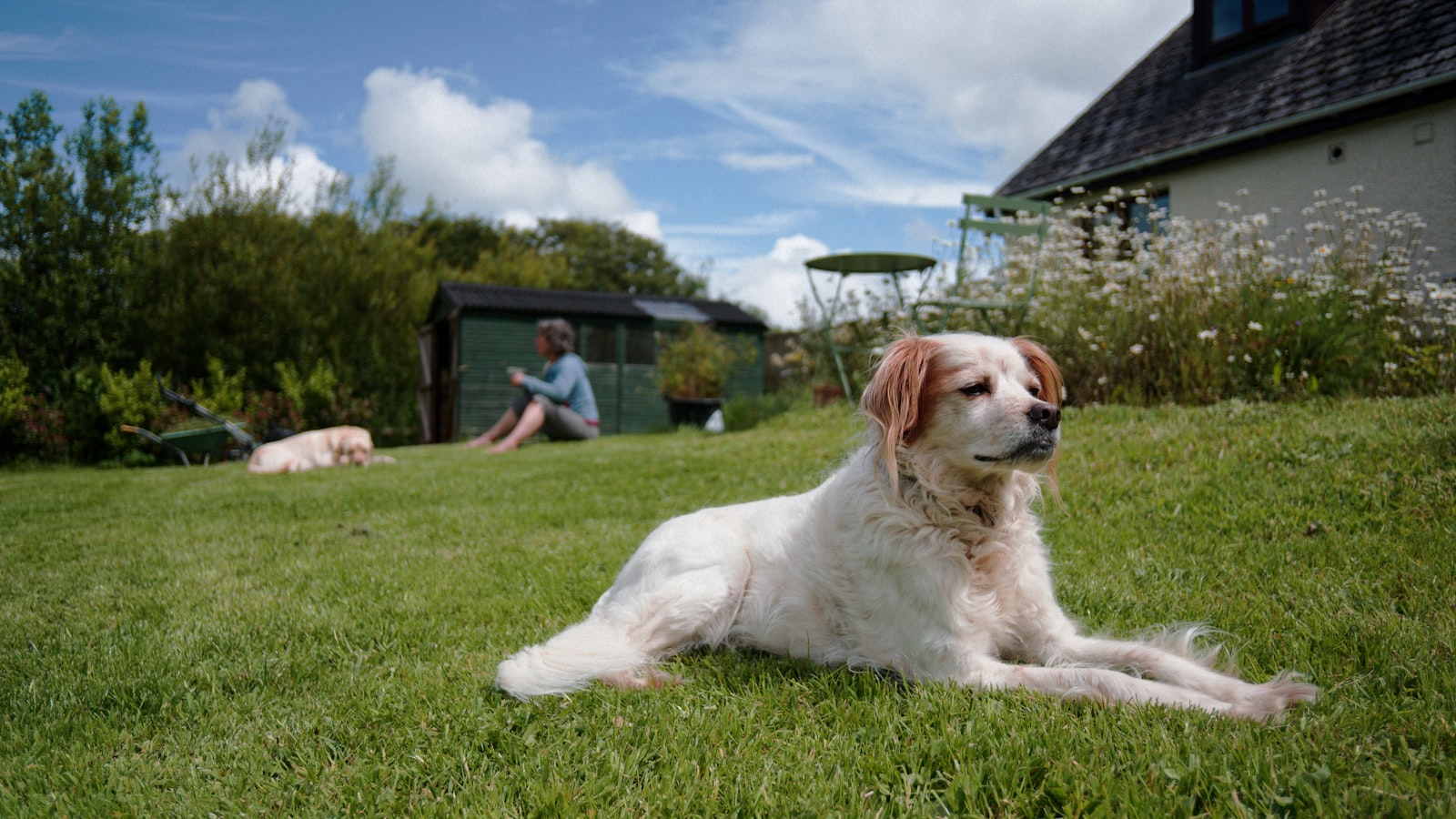
Ask ten Cincinnati dog owners how often they scoop the yard and you will get ten different answers, most of them delivered with a guilty laugh. Somewhere between “every day, religiously” and “when I can no longer mow safely” sits the honest middle of dog ownership.
We scoop yards across Greater Cincinnati and Clermont County for a living, so we have seen every version of the schedule, including the version where there is no schedule at all. Here is the straight answer on how often the yard actually needs it, and how to pick a rhythm you will stick with.
How often should you scoop dog poop?
Daily scooping sounds like overkill until you do it for a week and notice the yard never smells, the mower never finds a surprise, and the dog has nowhere gross to step and track inside. If you can build it into the evening routine, daily is unbeatable.
Weekly is the schedule we recommend to most families, because it is the point where effort and results balance out. One focused ten-minute sweep keeps a normal yard clean enough for barefoot summers, and it happens to be why weekly is our most requested recurring pooper scooper service plan.
The right frequency also depends on how the yard gets used, not just how it looks. A fenced back corner the dog visits and humans avoid can ride a weekly schedule with no drama. A yard where toddlers run barefoot, where you garden in raised beds, or where the swing set sits deserves daily or every-other-day pickup, because soil contact is where the real health risk lives.
Anything past two weeks and you are not maintaining a yard anymore. You are staging a cleanup.
Does the number of dogs change the math?
Waste volume is the variable people underestimate most. A single beagle is a manageable chore. Two labs and a foster puppy is a part-time job, and it shows up fastest in the spots dogs love: along the fence, by the back steps, under the shade tree where everyone hangs out in July.
Yard size matters too, in the opposite direction of what most people assume. A big yard does not dilute the problem, it just spreads the hunt over more ground, which is exactly why so many of our multi-dog customers in places like Anderson Township and Milford started with one overwhelmed Saturday and a rake.
Why does frequency matter more in a Cincinnati summer?
Our summers do two things to a neglected yard. First, the smell radius grows. What stays polite in dry October air becomes a backyard-wide presence in August humidity, right when you want to grill, host, and let the kids run the sprinkler.
Second, flies multiply. Waste is prime breeding ground, and a yard with a standing supply will keep a fly population going all season. Scooping weekly removes the nursery.
There is also the lawn itself. Waste left sitting smothers grass and then overloads the soil under it with nitrogen as it breaks down, which is how you get those brown patches with strangely green rings. We covered the full mechanism in is dog poop killing your grass, but the short version is that August is when the damage shows up worst.
What happens if you only scoop once a month?
The health piece deserves plain language, because it is the part of this job people thank us for once they understand it. Dog waste can carry roundworm, hookworm, and giardia. Those parasite eggs are not instantly infectious when the waste hits the ground. They need time in the soil to mature, days to weeks depending on the parasite and the weather.
That timing is exactly why frequency matters. Pick waste up within a week and you remove most eggs before they become a hazard. Leave it for a month and you are seeding the soil with eggs that can survive Ohio winters and stay viable for years. Kids and gardeners have the most soil contact, so they carry the most risk. The full rundown is in our post on the hidden health risks in dog waste.
And no, waiting does not make the problem compost itself. As we explained in how long dog poop takes to decompose, a pile can hang around for a year while the pathogens in it outlast the pile.
Can you just leave it over the winter?
Every March we get a wave of calls that start the same way: the snow melted and the yard is a disaster. Clermont County winters freeze and thaw over and over, and each cycle leaves waste more saturated and less pleasant to handle, while doing nothing to actually get rid of it.
Winter weekly service exists for precisely this reason. The dog does not take the season off, so the schedule should not either.
What is the easiest schedule to actually stick to?
We have been scooping Cincinnati yards since 2020, and our honest observation is that the schedule that fails is the one that relies on willpower. The schedules that work are attached to something that already happens every week.
A few things make the DIY version dramatically easier. Get a long-handled rake-and-pan scooper so the job does not involve bending sixty times, and keep it outside near the gate rather than buried in the garage. Walk the yard in a simple grid instead of wandering, the same way we train our own techs, because a pattern finds piles that a stroll misses, especially in taller grass along fence lines. Bag it, tie it, and put it in your regular trash. And go before you mow, always. A mower does not make waste disappear, it makes it aerosol.
Some households nail the routine and never need us. Plenty of others tried, drifted, and decided their Saturdays were worth more than a rake and a bag. That is who we built the service for. Weekly and twice-weekly routes, one-time resets for yards that got away from someone, no contracts, and a text when the yard is clean and gate is latched.
If your own answer to “how often do you scoop” comes with that guilty laugh, get a quote and let us take the question off your plate entirely. Your lawn, your shoes, and whoever mows will all notice the difference.
Hero photo by Marc Pell on Unsplash.
Frequently asked questions
Is scooping dog poop once a week enough? +
For one healthy dog in an average Cincinnati yard, yes. Weekly pickup stays ahead of lawn damage, keeps odor manageable, and removes waste before most parasite eggs in it have time to mature into their infectious stage in the soil. Bump the frequency up if you have multiple dogs, young kids who play in the grass, or a small yard where traffic concentrates in one area.
How often should you scoop poop with two or more dogs? +
Twice a week is the practical floor for two dogs, and three or more dogs really benefit from every other day. Waste volume scales faster than people expect. Two medium dogs put down around 11 pounds of waste per week, and in a fenced quarter-acre that concentrates quickly along the fence line and in favorite corners.
What happens if you never pick up dog poop in your yard? +
The yard tells on you in stages. First comes smell and flies, usually within days in summer humidity. Then brown patches and thinning grass where piles smother the turf. Then the longer-term problem: parasite eggs from roundworm and hookworm can survive in soil for years, and rain washes bacteria toward storm drains that feed local creeks and the Ohio River.
Should you pick up dog poop in the winter? +
Yes, and Ohio winters are sneaky about this. Cold does not break waste down, it preserves it. Every pile from December through February is waiting for you in the March thaw, thawed, saturated, and much worse to deal with. A winter schedule, even just weekly, means spring starts with a clean yard instead of an archaeology project.
How often does a professional pooper scooper service come? +
Weekly is the most popular plan by far, and it matches what most yards actually need. We also run twice-weekly routes for multi-dog households and every-other-week visits for single low-volume dogs. One-time cleanups handle yards that have gotten away from their owners. No contracts, and you get a text when the yard is clean.
Rather not deal with it yourself?
Let The Doo Doo Doctor keep your Greater Cincinnati yard clean and fresh. Weekly, bi-weekly or one-time.