
Diseases From Dog Poop: What Lingers and for How Long
By Matt Tackett, Owner
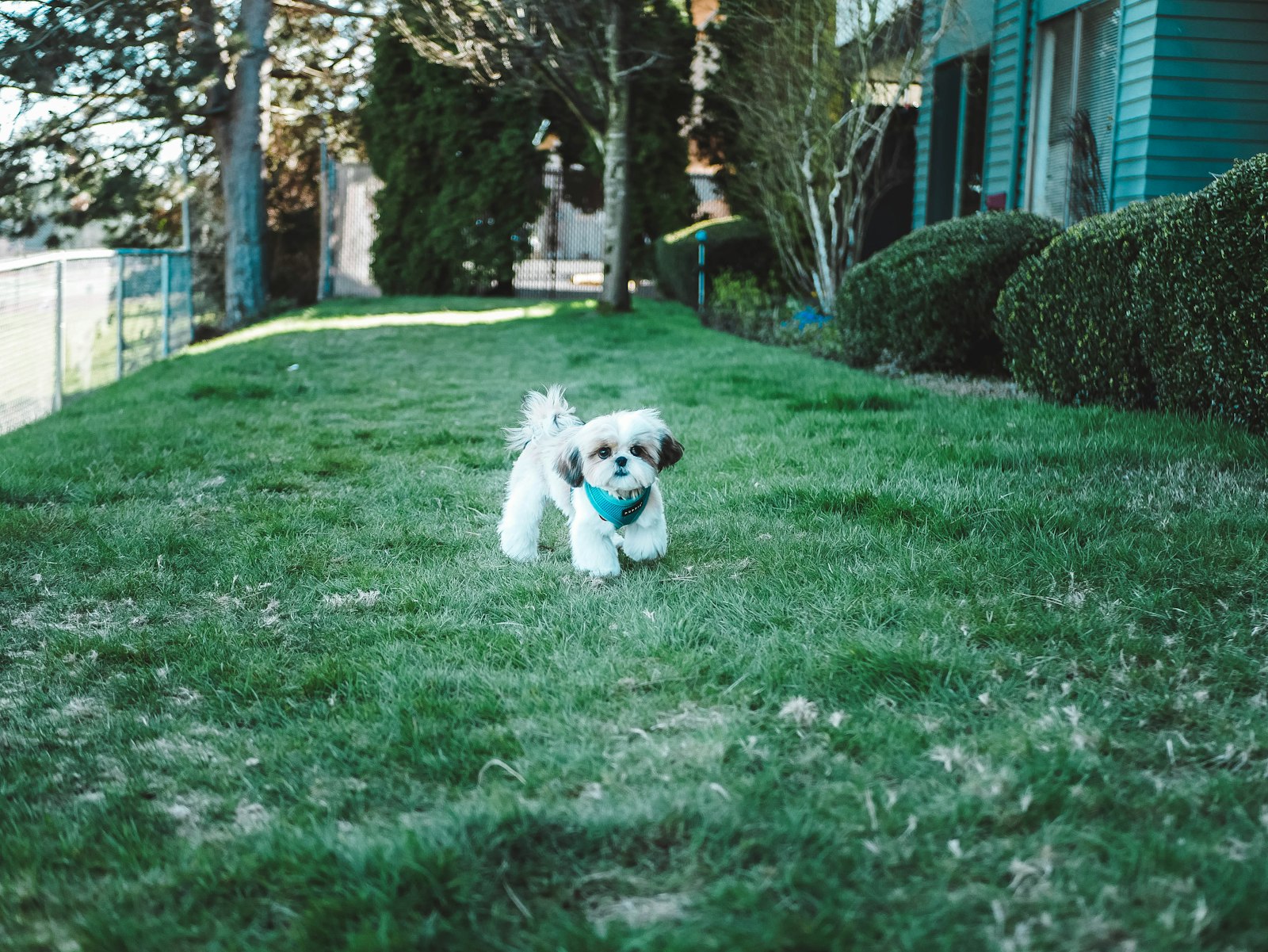
Most articles about diseases from dog poop hand you a list. Here is E. coli, here are the worms, now go wash your hands. The list is accurate enough and it is not very useful, because it leaves out the part that changes what you actually do about it: timing.
Some of what lives in dog waste is a risk the moment it hits the grass. Some of it is harmless for a couple of weeks and then becomes a problem. And one of them, once it is in your soil, will outlast the dog that put it there. We scoop yards across Greater Cincinnati and Clermont County, and that difference is the whole reason a schedule beats one big cleanup a year.
What diseases can you actually catch from dog poop?
These are zoonotic, meaning they move between animals and people. That word does a lot of work in scare articles, so it is worth being plain: a clean yard with a healthy dog on a current deworming schedule is not a health crisis, and we are not a veterinary practice and will not pretend otherwise. What we see is the other end of it, yards where pickup stopped for a season, and those are a different conversation.
We covered the general picture in the hidden health risks of skipping scooping. This post is about the clock, because almost nobody explains that part.
How long does dog poop stay dangerous?
Lay those three numbers next to each other and you get something the disease lists never give you. Giardia is a fresh waste problem. If a dog is shedding it, the cysts are a risk straight away, and no amount of prompt scooping changes that part.
Roundworm is the opposite. The CDC states it takes 2 to 4 weeks in the environment for the eggs to develop enough to cause infection. A pile picked up on Tuesday was never infectious for roundworm. It simply did not get the time.
Hookworm sits in between. CDC life cycle data has the eggs hatching in 1 to 2 days and the larvae reaching the infective stage after 5 to 10 days, then surviving 3 to 4 weeks in good conditions.
So weekly pickup is not an arbitrary cadence somebody invented to sell a subscription. It lands inside the roundworm window with room to spare and right at the edge of the hookworm one. Every other week is still useful and it gives hookworm time to finish developing. Once a month, you are cleaning up after the fact. That is the real difference between the options, and we went through the scheduling side in how often you should scoop dog poop.
Which parasites linger in the soil for years?
This is the fact that reframes everything else. Dog waste breaking down is not the same as the risk breaking down. The pile decomposes, rain scatters what is left, and the eggs stay in the top layer of soil clinging to grass, dirt and anything that touches it.
It means a yard can look immaculate and still carry contamination from waste nobody has seen in two years. It also means the cost of a skipped season is not paid back by one thorough cleanup. We get called for one time cleanups constantly and they are absolutely worth doing, but we are not going to tell a customer that hauling away eighteen months of buildup resets the soil, because it does not.
If you want the decomposition side of this, we went deep on it in how long dog poop takes to decompose.
How do hookworms get into people?
Worth separating from roundworm, which the CDC describes as an accidental swallowing route, usually contaminated soil reaching the mouth by way of hands or toys. The practical implications are completely different.
For hookworm, the answer is shoes and not sitting directly on ground that has had a buildup. CDC guidance on zoonotic hookworm is straightforward about the skin route. For roundworm, it is handwashing and keeping toys out of the dirt.
Neither of those is a reason to fence the kids off the lawn. They are a reason to get the yard genuinely clear once and then keep it that way, which is less work than most people assume.
Where in a Cincinnati yard does the risk build up?
Those are the first places our crews check on a new property, and they are reliably where the backlog is. It is not a mystery why. They are the parts of the yard the dog likes on a hot day and the parts the owner cannot see from the kitchen window.
Clay soil is the local wrinkle. Water sits on it instead of draining through, so a shaded corner in Batavia or Union Township can stay damp for days after a storm while the open lawn twenty feet away has dried out. Sun and dry ground are genuinely working in your favor everywhere else.
The other thing worth knowing: after a wet stretch, old piles flatten into the thatch and go the color of the grass. A yard can read as clean from the deck and still have a dozen of them. If you have ever thought your yard was fine and then found otherwise with a rake, that is what happened.
Does sanitizing kill what the poop left behind?
We offer deodorizing and sanitizing as part of our pet waste services, and it earns its place. It works on odor, it works on hard surfaces, kennel runs, patios and decks, and it handles the bacterial side. We use it constantly and we would recommend it for the right yard.
What it does not do is sterilize a lawn. CAPC’s ascarid guideline is unambiguous on that, and we would rather say so than let a customer pay for a treatment expecting something it cannot deliver. For soil that is already contaminated, the honest answer is time, sun, keeping new waste out, and your veterinarian’s deworming schedule so the dog is not reseeding it every week.
That is also why the recurring work matters more than the dramatic work. A regular dog poop removal service is doing prevention, which is the only part of this anybody can actually control.
When is this a job you can handle yourself?
We would rather tell you that than sell a visit you do not need. One dog, a yard you walk every week, a working routine: that is the whole job, and it is already working.
Scale is what changes it. A yard that has gone a season or more, a household with three or four dogs, or anyone who physically cannot do the walking anymore. Shared property is the clearest case of all, because no routine of your own covers a common area, and that is where pet waste stations and a scheduled pickup do the work together.
We cover Greater Cincinnati, Northern Kentucky and Southeast Indiana, and our service area list runs to more than sixty communities. No contracts, and you get a text when we have been out. Want a straight answer about your yard? Get a free quote or call (513) 518-0262. More on our FAQ page.
Hero photo by Chase Fade on Unsplash.
Frequently asked questions
How long does dog poop hold bacteria? +
Longer than the visible pile lasts, and it varies by organism. Giardia cysts are infective as soon as they are passed and the CDC says the protective shell lets them survive outside the body for weeks to months in soil or water. Hookworm larvae are a shorter story: CDC life cycle data has them hatching in 1 to 2 days, becoming infective after 5 to 10 days, then surviving 3 to 4 weeks in favorable conditions. Roundworm eggs are the outlier and can persist for years. So there is no single expiry date, which is the practical reason to remove waste on a schedule rather than guess when it has gone inert.
Can you get worms from your own backyard? +
It is possible, and it is the reason this is worth taking seriously without panicking about it. The route is not eating waste. For roundworm the CDC describes infection happening when soil contaminated with eggs is accidentally swallowed, which in practice means hands, toys and garden tools going to the mouth. For hookworm it is skin contact with contaminated ground. Both routes are far more likely for a child playing at ground level than for an adult mowing in boots. Keeping waste picked up and keeping shoes on in a yard that has had a buildup handles most of it.
Is dried out white dog poop still a risk? +
The dried white stage is old waste, and old is exactly when roundworm eggs have had time to become infectious. The CDC puts that development window at 2 to 4 weeks, so a pile that has been sitting long enough to dry and bleach has passed it. It is a useful signal in reverse, too. If you are finding bleached piles in your yard, the schedule has slipped by at least a month somewhere, and that is worth fixing before anything else.
Do I need to treat the soil after a bad buildup? +
For bacteria and odor, a sanitizing treatment does real work. For roundworm eggs, be skeptical of anyone who promises to kill them in your lawn. CAPC is blunt that common disinfectants are not effective and that clearing established egg contamination takes extreme measures such as removing the topsoil or paving the area. What actually helps a contaminated yard is time, sunlight, dry conditions, keeping new waste out of it, and following your veterinarian's deworming schedule so the dog stops adding to the problem.
Does a pet waste station help with any of this? +
On a shared property, more than anything else you can install. The problem in an apartment community or an HOA common area is not one dog, it is dozens of them using the same strip of grass, so waste sits where the next dog and the next kid will be. A serviced station puts bags and a sealed bin at the point where people are already walking, which is what moves compliance. We install and service them across Greater Cincinnati, and on managed properties it pairs with a scheduled pickup rather than replacing it.
Rather not deal with it yourself?
Let The Doo Doo Doctor keep your Greater Cincinnati yard clean and fresh. Weekly, bi-weekly or one-time.