
How to Get Rid of Dog Poop Smell in Yard, and How Long
By Matt Tackett, Owner
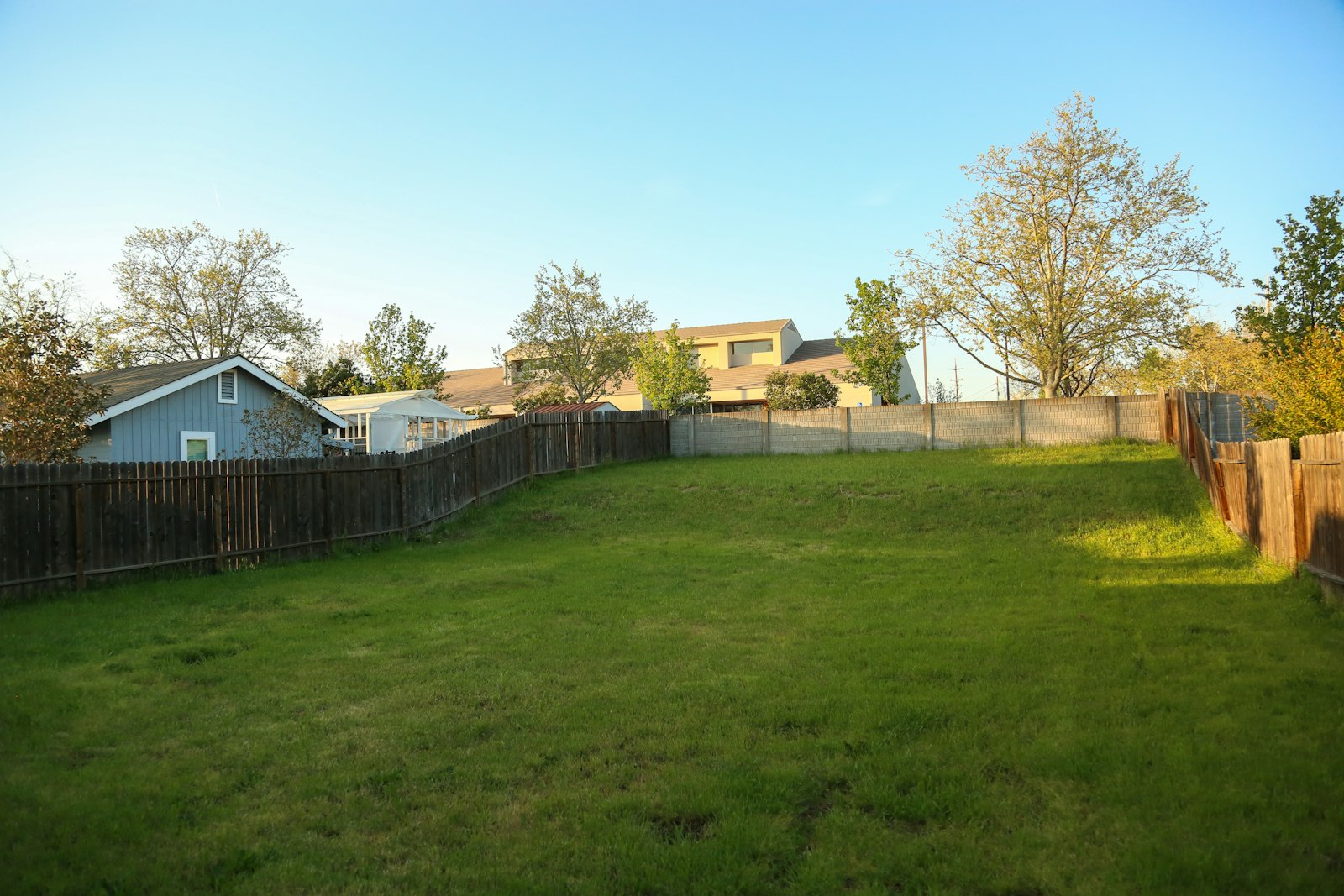
You scooped the yard on Saturday. By Tuesday evening you step onto the deck with a glass of tea, the air is thick and still, and there it is again. That smell. Nothing is visibly out there, which somehow makes it more frustrating, and you start wondering whether the problem is your dog, your grass, or your nose.
Good news: your nose is right and your yard is normal. A clean-looking yard can still smell for reasons that have almost nothing to do with how carefully you picked up. It comes down to what soaked into the ground before you got there, and the way a Cincinnati July treats anything organic sitting on wet soil.
Why does your yard still smell after you scoop?
Think of a pile of waste as a delivery, not the whole package. The solid part is what you can see and remove. Underneath it, liquid has already moved down into the thatch layer, that spongy mat of living and dead grass sitting right on the soil, and thatch holds moisture like a sponge holds dishwater.
Once it is down there, bacteria go to work breaking organic material into simpler stuff, and the byproducts of that process are the gases you smell. Ammonia and sulfur compounds are the main offenders. That continues whether or not the original pile is still sitting there, which is why a spotless yard can smell worse than one someone scooped an hour ago.
The spots where a dog goes repeatedly are the worst, because they never fully clear before the next deposit. Most dogs are creatures of habit about this. If one corner of your yard smells noticeably stronger, that corner is not dirtier by accident.
Is it the poop or the dog urine?
Walk the yard early in the morning, before the sun burns anything off, and notice where the smell is sharpest and which of the two it is. That one minute decides which job you are actually doing, and the products aimed at one do very little for the other.
If it comes back ammonia, stop here and read how to get rid of dog pee smell in your yard instead. Urine cannot be scooped, it concentrates in the same few square feet, and the fix is dilution rather than the rinse-and-enzyme routine below.
If it is the sour, heavier version, you are in the right place.
How do you get rid of dog poop smell in your yard?
The order matters more than the product you choose. Here is the sequence that works:
- Clear the whole yard first. Every piece, including the dried ones along the fence line. Treating around waste that is still out there is wasted effort.
- Rinse the hot spots deeply. Not a light misting. You want water moving down through the thatch to dilute the concentration and carry it below where your nose is. Morning or evening beats midday so it does not just evaporate.
- Treat with an enzyme product made for pet waste. Enzyme cleaners digest the organic residue itself. That is the difference between removing odor and covering it.
- Let it work, then repeat on the worst areas. One application on a summer’s buildup is rarely enough.
- Trim the grass in problem spots. Less thatch means better airflow and faster drying, and damp shade is where odor hangs on longest.
On a hard surface instead of grass, a deck, patio, or concrete kennel run, the same order applies but rinsing does most of the work since nothing is soaking in. Those respond quickly.
Why does Cincinnati weather make yard odor worse?
Anyone who has spent a summer here knows the air does not move much on a humid afternoon in the river valley. That still, heavy air is the reason odor seems to sit on your patio rather than blow away. It is also why the smell often seems worst in the evening, as the day’s heat comes back off the ground.
The soil is the other half of it. Much of Clermont County and the surrounding suburbs sits on dense clay. Clay does not drain like sandy soil does. Water, and everything dissolved in it, moves down slowly and lingers in that top layer where the roots and the thatch are. So a yard here holds onto waste residue longer than the same yard would in a sandier part of the country.
Our storm pattern adds one more twist. A hard afternoon downpour does not rinse a yard the way a slow soaking does. It saturates the surface, runs off, and leaves everything wetter and warmer than before, which is why the smell often spikes the day after a storm rather than during it.
Winter is easier on your nose, though the waste does not disappear. It stops breaking down when it freezes and waits. That is why the first warm week of spring hits so hard, and why we keep scooping through the cold months instead of letting a season pile up for a February thaw.
Do vinegar and baking soda actually work?
There is no harm in trying them, and plenty of people do. The reason they underperform is simple. Odor here is an ongoing biological process, and masking the current batch of gas does nothing about the material that will produce the next batch tomorrow.
A few cautions before you start pouring things on your grass. Vinegar is acidic and will burn turf if you use it heavily or repeatedly in one spot, which trades a smell problem for a bare patch. Bleach is not an option on a yard where pets and kids play. Lime gets recommended a lot, but it only adjusts soil pH, too much of it damages grass, and it does not remove the residue that is producing the smell.
If you want one thing to buy, buy an enzyme cleaner labeled for pet waste and follow the rinse-first order above. That single change fixes more yards than any home remedy we get asked about.
How long does it take for the smell to go away?
The variable nobody expects is the weather after the treatment. A yard treated before a hot, still stretch clears more slowly than one treated before a few mild days with a breeze, because the gas has nowhere to go in heavy air. If you treat on a Saturday and the smell is still there Sunday evening, that is normal and not a sign the product failed.
What is not normal is the smell coming back at full strength two weeks later. That is the yard telling you the problem was never the cleaning. At that point the waste is going back down faster than the soil can recover, and the fix is the schedule rather than another bottle of anything.
How often should you scoop to keep the smell from coming back?
This is the part that turns a one-time fix into a permanent one. Deep cleaning a yard in July feels great for about ten days. If the scooping schedule that let it build up does not change, you will be right back where you started before Labor Day.
The math is not complicated. Every day a pile sits in humid heat is a day it is soaking into the soil beneath it. Weekly pickup means nothing sits longer than seven days. Monthly pickup means some of it sits for four weeks in the worst conditions of the year, which is a guaranteed odor problem no product will solve.
Two dogs is not double the trouble, it is closer to triple, because the yard gets less recovery time between deposits in the same favorite spots. Small yards concentrate the same effect, so a pack in a compact suburban lot honestly needs twice weekly. We go deeper on this in our guide to the yard scooping mistakes Cincinnati owners make most often.
When is it time to call a pro?
The honest version: if the odor returns within two weeks of a real cleanup, the issue is frequency or soil saturation. A backlog cleanup plus a deodorizing treatment resets the yard, and a steady weekly visit keeps it reset.
There is a health angle too. Waste sitting in a yard where kids play is a genuine hygiene issue, and we cover the specifics in our post on the hidden health risks of dog waste in Cincinnati yards. Odor is the symptom people call about. It is rarely the only reason to deal with it.
We handle recurring dog poop removal, one-time backlog cleanups, and yard deodorizing and sanitizing across Greater Cincinnati and Clermont County, and we work through winter instead of pausing until spring. Our service area list covers more than forty neighborhoods.
No contracts, and you get a text when we have been out so you know the yard is clear before you walk into it. A yard getting away from you in July is the normal reason people call, not an embarrassing one. Get a quote and we will tell you honestly whether you need a cleanup, a treatment, or just a better schedule.
Hero photo by Giorgio Trovato on Unsplash.
Frequently asked questions
Why does my yard smell like dog poop even after I pick it all up? +
Because the smell is no longer in the pile. Liquid from waste and urine soaks into thatch and the top layer of soil, and bacteria keep breaking it down there. Picking up the solids removes tomorrow's odor, not the odor already stored in the ground under your feet.
Does vinegar get rid of dog poop smell in a yard? +
It helps for a day or two on a small spot, and it is cheap enough to try. Vinegar neutralizes some odor on contact but does not digest the organic material causing it, so the smell returns. Enzyme cleaners made for pet waste break down the source instead of covering it.
What kills the smell of dog poop in a yard? +
An enzyme cleaner made for pet waste, applied after the yard is cleared and the spots have been rinsed. Enzymes digest the organic residue left in the thatch rather than covering the smell it produces. The rinse first matters as much as the product, because a treatment applied to dry, concentrated residue has less to work with and washes off the blades instead of reaching the soil.
How long does it take for dog poop smell to go away? +
On a yard we clear and treat properly, the sharp part of the smell drops within a day or two and the rest keeps fading over the following week. A yard that has been building up since spring is different. Those usually need two or three treatments across two to three weeks, because the residue sits deeper in the thatch and one application only reaches part of it.
What should I do if I can smell my neighbor's dog poop? +
You cannot treat ground you do not own, so start with the conversation rather than the products. Most neighbors have no idea it carries, especially if their yard sits upwind or uphill of your patio. If that goes nowhere, treat your own side of the fence line, keep that strip rinsed and cut short, and in a deed-restricted neighborhood the HOA usually has standing to act where you do not.
How often should a yard be scooped to prevent odor in summer? +
Weekly is the practical minimum for one dog in Cincinnati summers, and twice weekly is better for multiple dogs or a small yard. The goal is removing waste before heat and humidity break it down into the soil, because that is the point where odor stops being a pickup problem.
Rather not deal with it yourself?
Let The Doo Doo Doctor keep your Greater Cincinnati yard clean and fresh. Weekly, bi-weekly or one-time.