
How Often Do Puppies Poop? A First-Year Yard Plan
By Matt Tackett, Owner
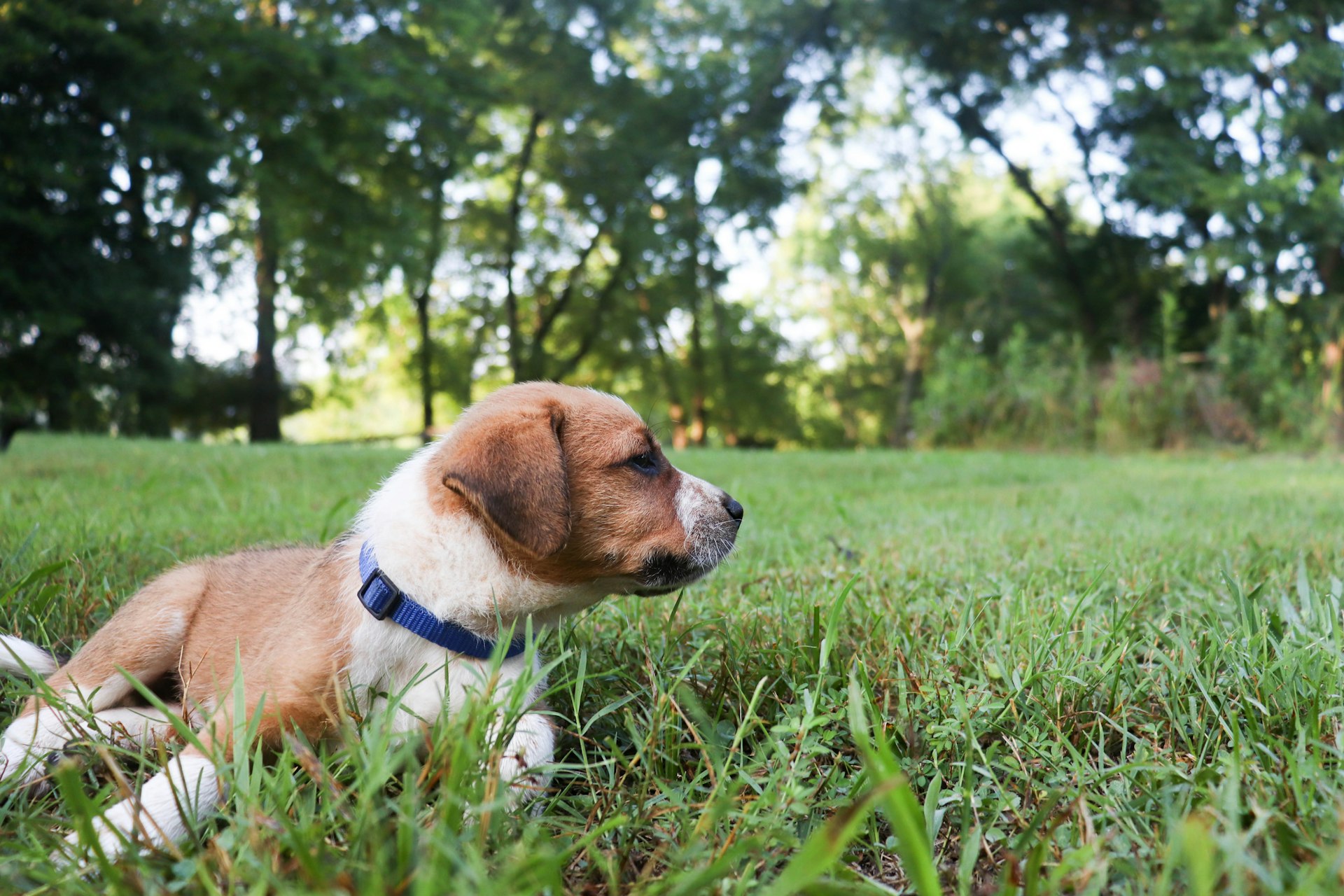
How often do puppies poop? More than most new owners expect. A healthy puppy commonly goes five or six times a day when very young, drops to about four times a day by 12 weeks, and lands around three times a day by six months, according to veterinary guidance from PetMD.
That is the vet question. We get the yard question, usually about three weeks after the puppy comes home, when somebody looks out the back window and wonders how one small dog managed all of that. We have been scooping yards across Greater Cincinnati since 2020, and puppy season is its own thing. Here is how to plan for it.
How often do puppies poop at each age?
The pattern is simple. The younger the puppy, the more meals, and the more meals, the more trips outside. As feedings get consolidated and the digestive system matures, the count comes down.
Two things matter more than hitting an exact number. One is consistency. The other is change. PetMD’s advice is to call your vet about a sudden shift in routine, straining, or a puppy that is not eating and acting perky. We scoop yards, we are not vets, so that call belongs to yours.
What does puppy poop frequency mean for your yard?
This is the math nobody mentions at the adoption event. At four a day, a puppy is producing 28 piles a week. A second dog in the house, or a busy stretch where nobody gets outside with a bag, and the yard catches up with you fast.
The waste is also concentrated. Puppies do not wander the whole yard like an older dog patrolling the fence line. They get carried or walked to the same few feet by the back steps, over and over. That makes cleanup easier to find, but it also means one patch of lawn takes the full load, which is exactly how you end up with the brown spots we covered in whether dog poop is killing your grass.
Why does prompt pickup matter more with a puppy?
This is not a reason to panic. It is a reason to keep a schedule.
The Companion Animal Parasite Council recommends deworming puppies starting at two weeks of age and repeating every two weeks through the early weeks, which is why your vet puts a young dog on a treatment schedule. The CDC’s guidance is plain: have your vet test and treat your dog, pick up your pet’s waste every time, and wash hands after playing with pets. Kids who play in the yard are the main reason it matters.
The yard side of that is timing. Eggs are not infective the day they land. Scooping at least weekly removes them from the lawn well inside that two to four week window. Our longer piece on how often you should scoop dog poop gets into schedules by household.
How do you set up a yard for a new puppy?
Keep the spot close. A puppy that has to cross forty feet of wet grass in February is a puppy that goes halfway there. Somewhere just off the patio or back steps works for most Cincinnati yards.
Mind the drainage. Our clay heavy soil holds water, and low spots stay soggy for days after a rain. Choose a slightly higher patch so the area does not turn to mud by March.
Plan for winter now. A puppy brought home this fall does most of its house training through an Ohio winter. Clear that same spot down to the grass after each snowfall, which we explain in our guide to dog poop in snow.
Deodorize the corner. A spot used six times a day for months starts to smell, especially in a humid Cincinnati July. Rinsing it or having it deodorized keeps the patio usable.
When does it make sense to hire help?
The first year with a puppy is a lot of work before you ever pick up a bag. Feeding schedules, potty trips at 2 a.m., chewed shoes, vet visits. Yard cleanup is usually the chore that quietly falls behind.
That is what our pet waste removal service is for. We come on a set schedule, scoop the whole yard including the potty corner, and send a text when we are done. If the yard already got away from you over the summer, a one time dog poop removal service visit gets it back to zero so the weekly routine has a clean start. We are locally owned and veteran owned, with no contracts. Check whether your neighborhood is on our service areas list, or browse our FAQ for how visits work.
Enjoy the puppy, we will handle the yard
Puppies grow out of four trips a day. Until they do, the yard does not have to be your problem. Request a free quote or call 513-518-0262 and we will get your yard on the schedule.
Hero photo by Laura Roberts on Unsplash.
Frequently asked questions
How often should an 8 week old puppy poop? +
Very young puppies go often, and it is common for a puppy around that age to poop five or six times a day, frequently shortly after each meal. PetMD's veterinarian notes the number drops to roughly four a day by 12 weeks. What matters more than hitting an exact count is a consistent pattern. A sudden change, straining, or a puppy that stops eating or acting like itself is a reason to call your vet.
How many times a day does a 6 month old puppy poop? +
Around three times a day is typical at six months, according to PetMD's veterinary guidance. By about a year most dogs have settled into their adult routine, which usually means fewer trips. Diet plays a part too, so a food change can shift the number for a week or two.
How long after eating does a puppy poop? +
Usually not long. Eating gets the digestive tract moving, and most puppies need to go shortly after a meal, although every puppy is a little different. The practical move is to take your puppy straight to the same potty spot after every meal, which speeds up house training and keeps waste in one findable place.
Is puppy poop more dangerous than adult dog poop? +
Puppies are more likely to carry roundworms. The Companion Animal Parasite Council notes that virtually all pups are born infected and recommends deworming starting at two weeks of age. The CDC advises picking up pet waste every time and washing hands after handling pets. Follow your vet's deworming schedule and scoop promptly, and the risk stays low.
Do pooper scooper services clean up after puppies? +
Yes. A puppy yard is one of the most common reasons families call us. We scoop the whole yard on a set weekly schedule, including that potty corner by the back door, and we can add deodorizing for the spot a young dog uses most. We serve homes across Greater Cincinnati, Northern Kentucky, and Southeast Indiana.
Rather not deal with it yourself?
Let The Doo Doo Doctor keep your Greater Cincinnati yard clean and fresh. Weekly, bi-weekly or one-time.