
Yard Full of Dog Poop? How to Clear It in Cincinnati
By Matt Tackett, Owner
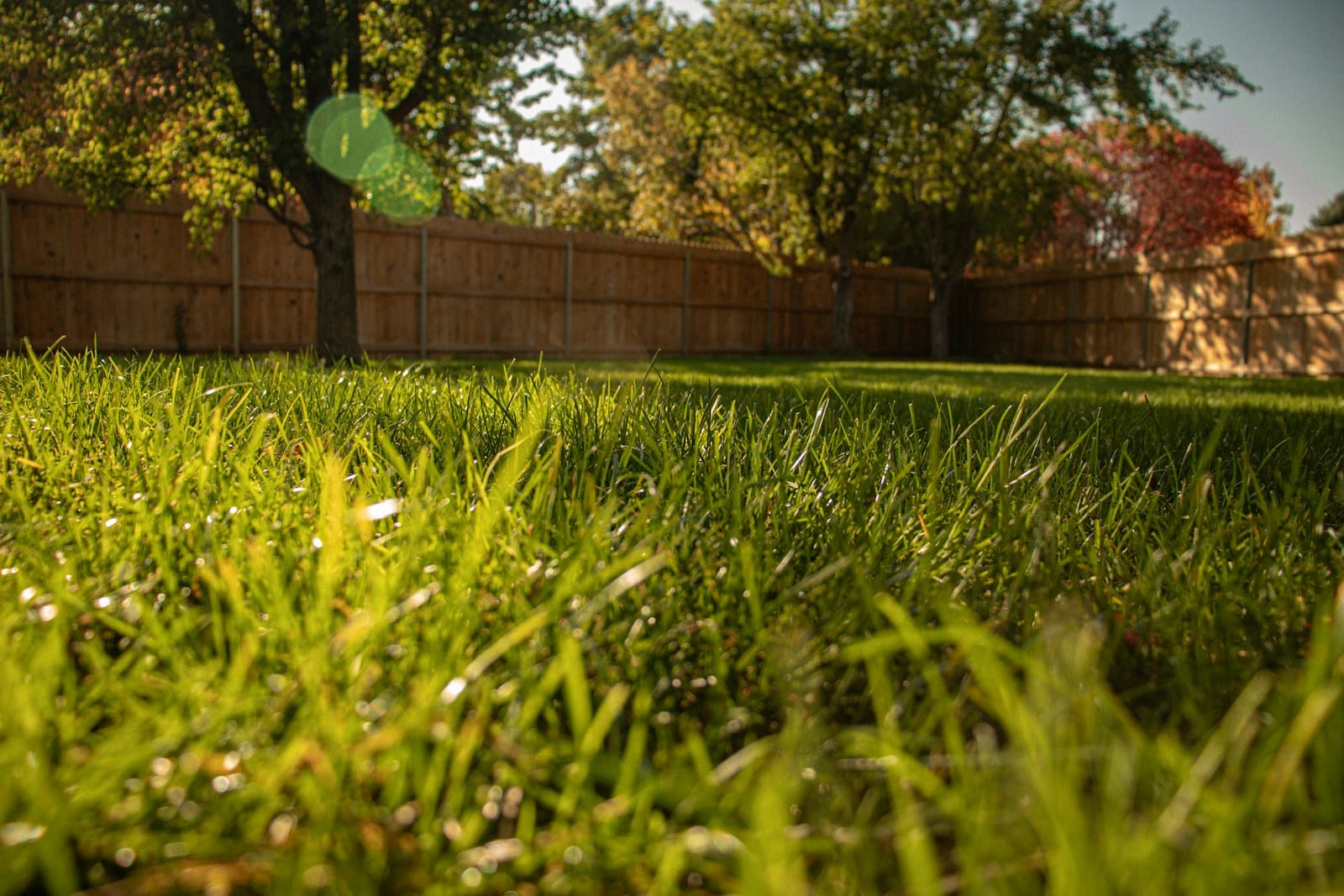
A yard full of dog poop does not arrive, it accumulates. Nobody decides to let it go. A rainy stretch turns into a busy month, somebody gets sick, the dog gets a second dog, and one afternoon you look out the back door and realize you cannot walk to the shed without watching your feet.
We have been clearing yards across Greater Cincinnati since 2020, and this is the call we get most in September and October. Here is how we actually work one, and how to tell whether this is a Saturday you can handle yourself.
How do you clean up a yard full of dog poop?
The single biggest mistake people make is wandering. You see one, you get it, you see another, you angle toward it. Forty minutes later you have covered a third of the yard twice and none of the back corner. That is the version of this job that gets abandoned.
Lanes fix it. Pick an edge, walk straight, turn, come back overlapping the last lane by a couple of feet. It feels slower and it is far faster, because you are never covering the same ground twice and never wondering whether you already did a section.
The second pass matters more than people expect. Waste that has been sitting goes the color of dead grass and disappears into the lawn from one direction while sitting in plain sight from the other. We always cross a yard a second time and we always find more.
On tools, a long handled scooper with a rake side saves your back, but do not use an actual leaf rake on a backlog. It shreds anything soft and spreads it through the turf instead of lifting it.
What is the best weather to do this in?
This is the tip that saves people the most misery and nobody tells them. If you have a backlog and the forecast shows three dry days followed by rain, go on day three. A cold morning in late fall is genuinely the easiest conditions this job ever has, which is a strange thing to look forward to.
If the yard is already wet and you cannot wait, work the high spots and the ground under trees first, since they dry fastest, and accept that the low corner will be a partial job.
Will my lawn look normal once it is all picked up?
People are often surprised by this. The yard looks worse the day after a full cleanup, not better, because the damage that was hidden under the piles is now visible all at once.
It is not permanent. Dog waste burns grass because of its nitrogen load and acidity, and once you stop adding to a spot the turf comes back, though badly hit areas may need overseeding in spring. We went through that in our piece on whether dog poop is killing your grass, including why this is not the same thing as fertilizer. Judge the lawn next season, not next week.
Is old dog waste in the yard still a health concern?
We are a scooping company, not veterinarians, so the medical side belongs to your vet. What we can tell you is why the timing matters rather than just the fact of it.
The CDC’s guidance on roundworm is straightforward: eggs travel in feces, they end up in dirt, and dirt ends up on hands and in mouths, which is why small children are the most exposed group in any yard. The Companion Animal Parasite Council describes hookworm eggs shed in feces developing into infective larvae out in the environment, where dogs pick them up from contaminated ground.
Neither is a reason to panic about a backlog. Both are a reason to clear it rather than keep postponing it, and to keep kids and the dog off the worst area until you have. Our post on how often you should scoop dog poop covers what a realistic schedule looks like once you are caught up.
Why is fall the deadline on this job in Cincinnati?
This is the local piece that national advice never includes. Greater Cincinnati has a lot of mature deciduous cover, and the yards that call us are frequently the ones with the big shade trees.
The sequence goes the same way every year. Leaves come down and hide the backlog. They mat down with rain. Then it freezes, and anything underneath is locked in until the thaw, when it reappears all at once in a yard that is already soft and torn up. That spring thaw call is a much bigger job than the same yard would have been in September.
So if you are thinking about waiting, that is the argument against it. You have a few weeks of genuinely good working conditions and then you do not.
My neighbor’s yard is full of dog poop. What can I do?
We include this because it is one of the most searched versions of the question, and the honest answer is not the satisfying one. In our experience the yards that get this bad belong to somebody who is sick, working two jobs, grieving, or dealing with something that has nothing to do with the dog. A neighbor showing up annoyed rarely fixes it. A neighbor mentioning that a service exists sometimes does.
If there is a genuine runoff or odor issue crossing onto your property, many local governments have a pet waste ordinance and most HOAs have their own rule. Look up what applies where you live before you knock on a door.
When is a one time cleanup the better call?
We talk people out of this one regularly. A single dog, a normal city lot, three or four weeks behind, somebody healthy with a free Saturday: that is a do it yourself job and you do not need us for it.
Where it is worth paying is a different situation. Multiple dogs and months of buildup. A Clermont County property big enough that the grid takes half a day. A bad back, a new baby, a yard that got away during an illness. Or the version a lot of customers land on, which is that they have started this job twice already and stopped both times.
A one time yard cleanup is priced separately from ongoing service, because a backlogged yard takes much longer than a maintenance visit, and any company that quotes you a routine rate without asking how far behind you are is guessing. We haul the waste off the property rather than leaving it in your bin, which matters more than people think at this volume. If you are weighing companies rather than weighing whether to hire at all, our guide to choosing a pooper scooper service covers the questions worth asking.
Plenty of people use a cleanup purely as a reset and handle it themselves from there. We would rather do that than sell somebody a weekly visit they do not need. If you want it to stay handled, our recurring dog poop removal service is what stops the cycle, and the service areas page lists the communities we cover across Greater Cincinnati, Northern Kentucky and Southeast Indiana.
Either way the first move is the same. Pick a dry day before the leaves come down, work it in lanes, and get it off the grass. If you would rather hand it off, get a free quote or call (513) 518-0262 and we will ask how many dogs and how far behind before we give you a number. More of the questions we get are answered on our FAQ page.
Hero photo by Alexandra Gold on Unsplash.
Frequently asked questions
What dissolves dog poop in the yard? +
Enzyme dissolver sprays exist and they do break down a pile over time, but they are built for one or two spots, not a backlog. Spraying a yard with dozens of piles takes longer than scooping it, costs more, and leaves everything in the soil rather than removing it from the property. For a yard that has gotten ahead of you, physically picking it up and hauling it off is faster and it is the only version that actually takes the waste away.
How do you deal with a yard full of dog poop? +
Pick a dry or cold day, start at one fence line, and walk overlapping lanes across the whole yard the way you would mow it. Carry a bucket or a lined bin instead of a single bag so you are not walking back and forth. Do the full grid once, then do a second pass from a perpendicular direction, because a second angle catches what the first one walked past. Bag it, get it off the property, and put a schedule in place so it does not rebuild.
Can you just leave dog poop in the yard to decompose? +
It breaks down eventually, but slowly, and it is not doing your lawn any favors while it sits. Dog waste is not compost. It is high in nitrogen and it scorches grass rather than feeding it, and the CDC advises picking up pet waste and keeping children from eating dirt because of parasite eggs. Waiting for nature to handle it is how a normal yard becomes a project.
What animals could have pooped in my yard besides a dog? +
Around Greater Cincinnati, raccoons, opossums, deer, groundhogs and neighborhood cats all turn up in yards, and geese take over anything near water. Raccoon droppings in particular are worth treating carefully rather than handling casually. If what you are finding does not match your dog's size or routine, it is reasonable to assume you have visitors and to check your fence line and any open trash.
Do you do one time yard cleanups in Greater Cincinnati? +
Yes, and it is one of the most common calls we get. A one time cleanup is priced separately from regular service because a backlogged yard takes considerably longer than a maintenance visit. We cover Greater Cincinnati, Northern Kentucky and Southeast Indiana, we haul the waste off your property rather than leaving it in your bin, and plenty of customers use a one time cleanup as a reset and then handle it themselves from there. Call (513) 518-0262 or get a free quote.
Rather not deal with it yourself?
Let The Doo Doo Doctor keep your Greater Cincinnati yard clean and fresh. Weekly, bi-weekly or one-time.